

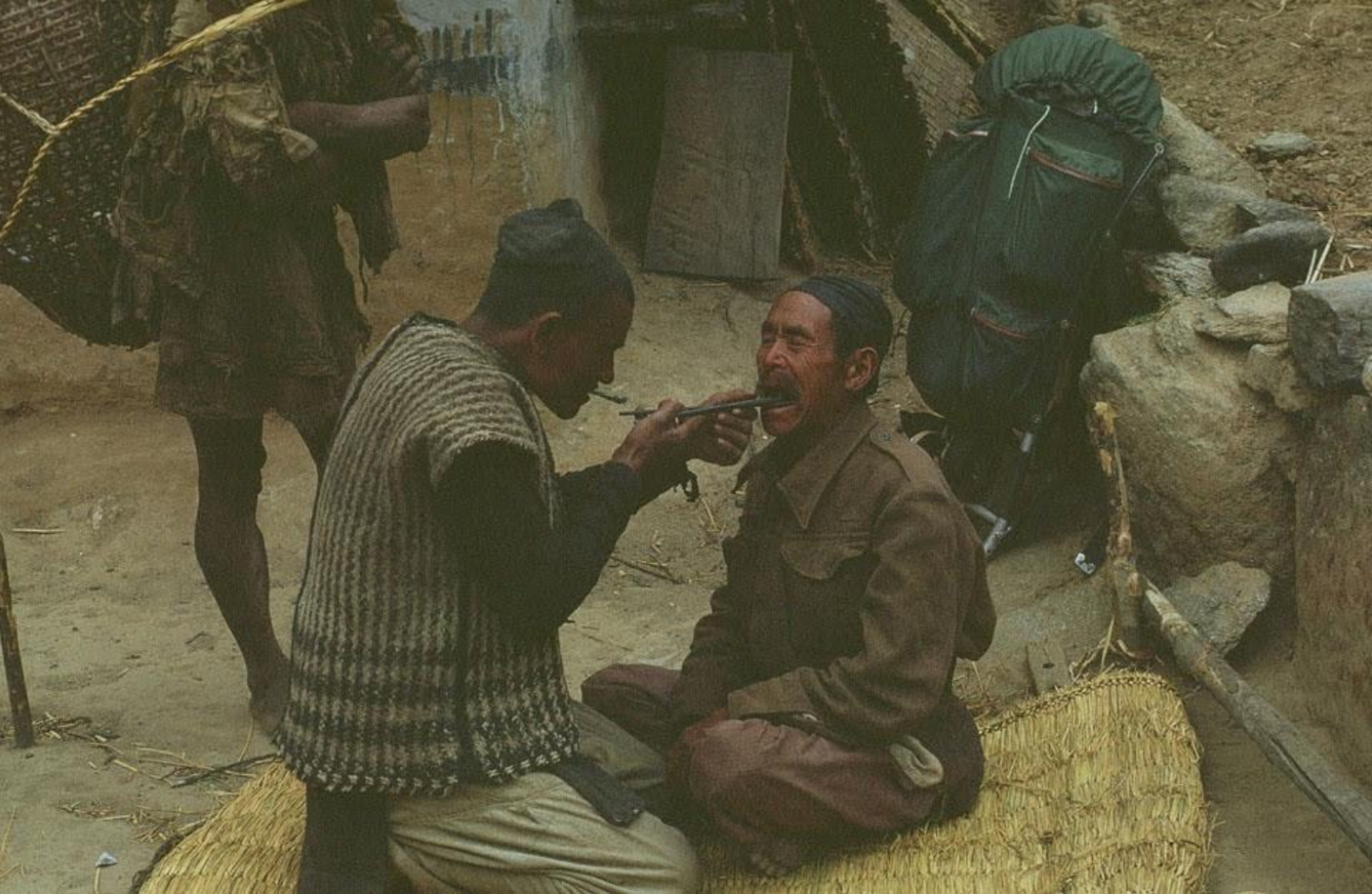
When Nepal’s national heritage is cited, famous monuments pop into our mind: Dharara, Pashupatinath, the ancient Darbar Squares. History glorifies monarchs and elites for building them.
However, we usually overlook the Kami, Nepal’s industrious blacksmiths, and their आरण forges and anvils. They produced the tools without which no monument was possible, built roads, bridges, and watermills. The Kami helped build Nepal.
Historically, Kamis smelted, slagged, pounded, hammered, forged and tempered metals using ingenious indigenous technologies. The आरण forge embodies a rich living knowledge system, which combines sensory skills of heating, bending, blending and tempering. Grounded in rich oral stories, myths and cultural memories, the aaran can also restore the community’s dignity and bolster Nepal’s economy.
Unfortunately, Nepal’s rich blacksmithing tradition is rapidly dying. The younger generation is shifting to other occupations due to shrinking earning opportunities and occupational stigma, leading to an irrecoverable loss of generational knowledge.
Nepal’s government is currently considering a bill to protect intangible cultural heritage. This is a great opportunity to officially correct historical mistakes and celebrate Dalit skills, including blacksmithing, which laid the foundations of Nepal’s development.
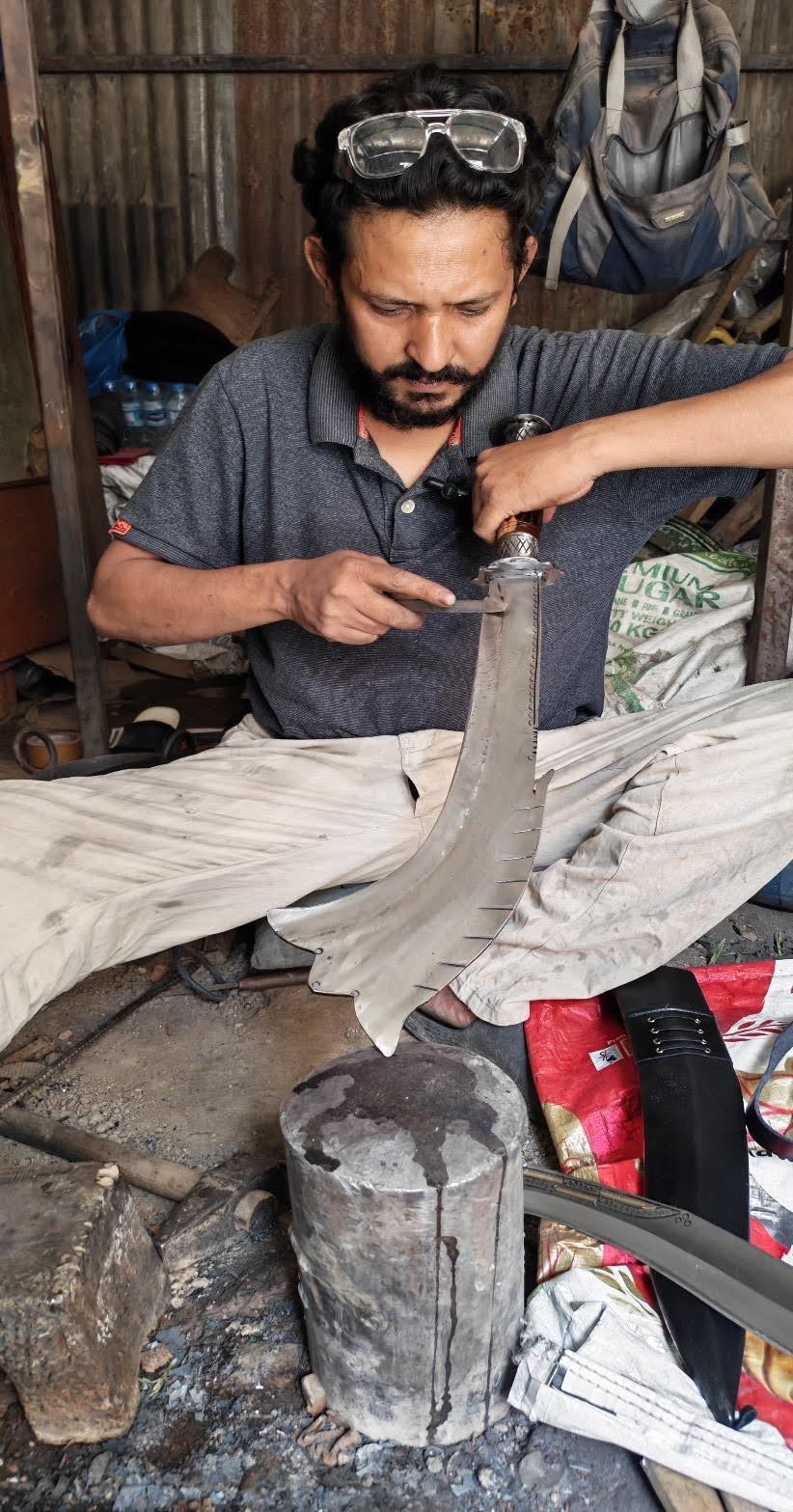
Photo credit: Nepali Times
IGNORED HISTORY
Iron smithing in Nepal began as early as the Kirat Period (800 BCE-300 CE). The Licchavi Period (300 CE- 879 CE) is often called Nepal’s golden age, during which Kathmandu Valley flourished in arts and crafts, including ironwork. During the Malla era (1200 CE-1769 CE), Kathmandu’s artisans traded their finely crafted metalwork with India and Tibet.
To supply craft materials, the Kami and Aagri, a western subgroup within this caste, extracted and smelted metal ores across Nepal. Their workshops forged essential tools for carpenters, shoemakers, masons, and farmers, and they forged firearms and armaments for soldiers and dies for the state mints. Blacksmiths sustained both the agrarian economy and Nepal’s rich culture.
To the Kami, the forge is not just a workplace; it is a shrine where Lord Vishwakarma and other deities reside. Kami begin each day with a prayer, and in Dasain they worship their deities with sacrifices. They keep their smelting process a strict secret. They believe that if other castes watch their work, it can ruin the process and the product.




Comments
0 commentsNo comments yet — be the first.