

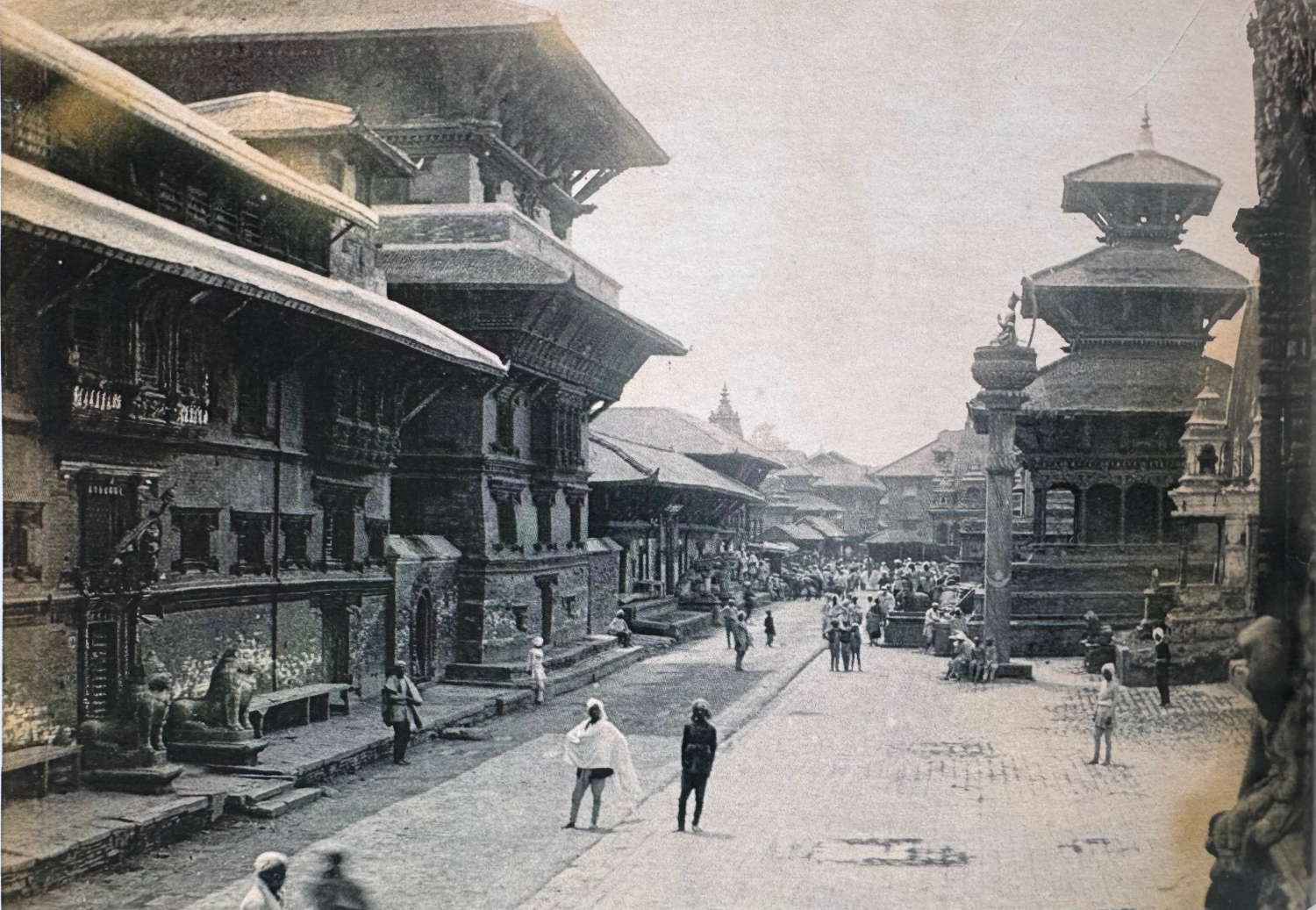
Oral history, art, stone inscriptions and the written word have helped us understand the Nepali world and its history. But it was the advent of photography that dramatically changed the way we can visualise memory.
Soon after the invention of daguerrotype and photography, cameras arrived in Nepal via British India. Photographs taken by Clarence Comyn Taylor in 1863 were discovered by J P Losty in 1992, and were possibly the earliest pictures ever taken of Nepalis.
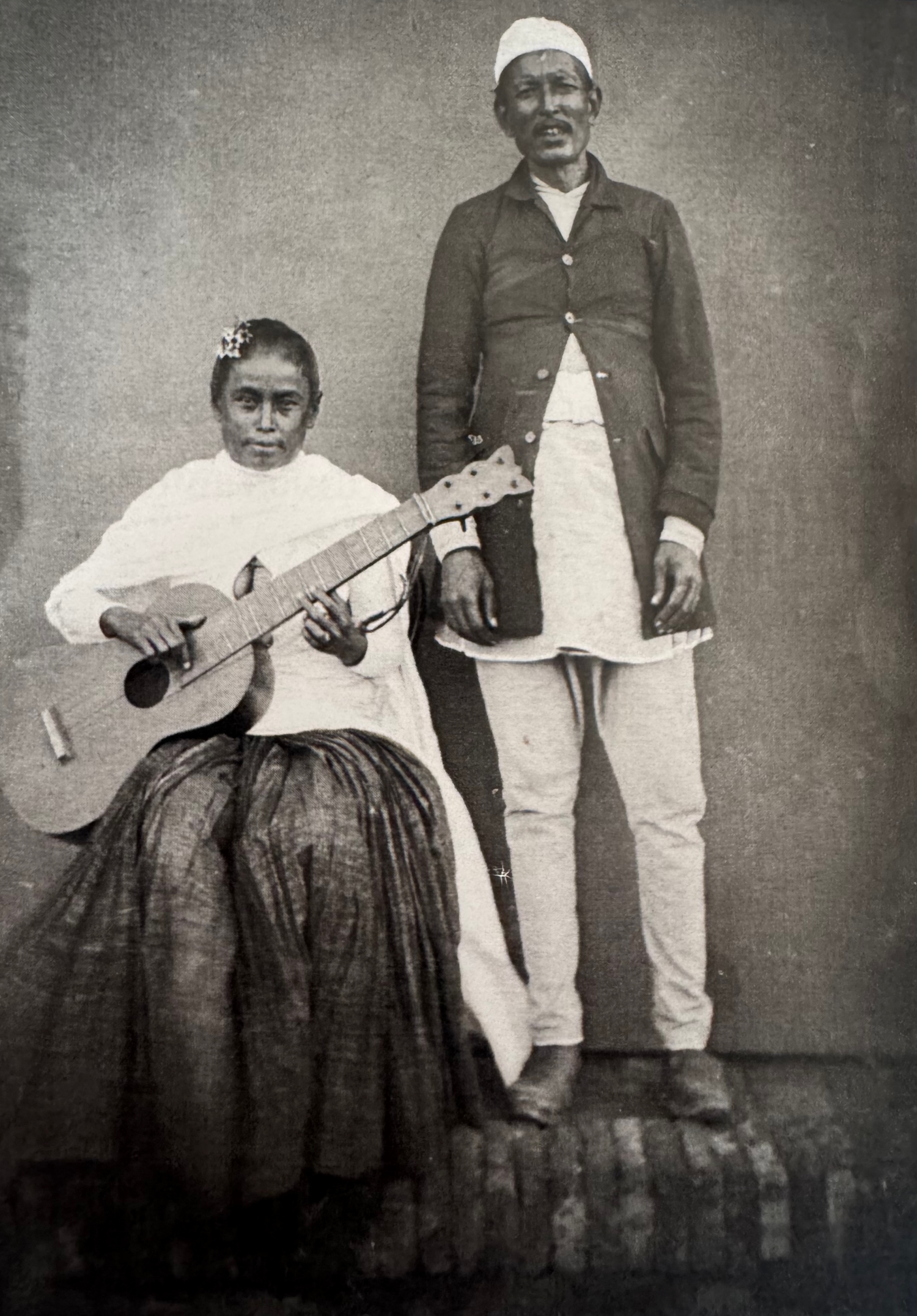
Soon, there were scholars and photographers like Samuel Bourne, George Ramsay, Henry Ballantine, Theodore Julius Hoffmann, Cecil Bendall, John Claude White and others who took portraits and pictorialised Nepal’s landscape.
Nepali photographers like Dirghaman Chitrakar and his son Ganeshman Chitrakar also emerged, their negatives and prints processed at the Bourne & Shepherd and Johnston & Hoffmann studios in Calcutta.
Photography was more a profession than a hobby, and those who could afford equipment would have access to the country and the powers that be — hence the pictures of the Rana royal family, their palaces, hunting expeditions, and heritage.
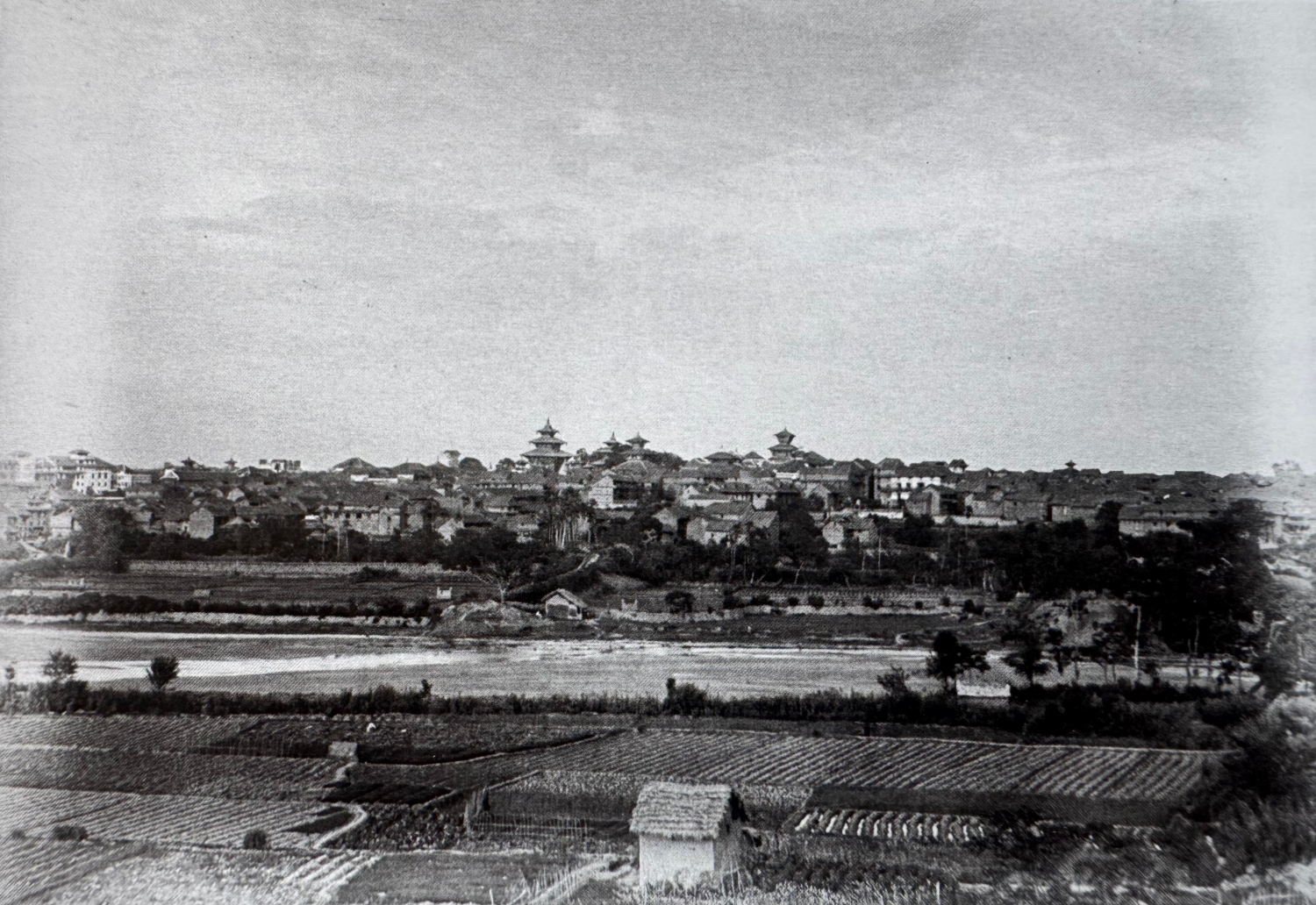 Photo credit: Nepali Times
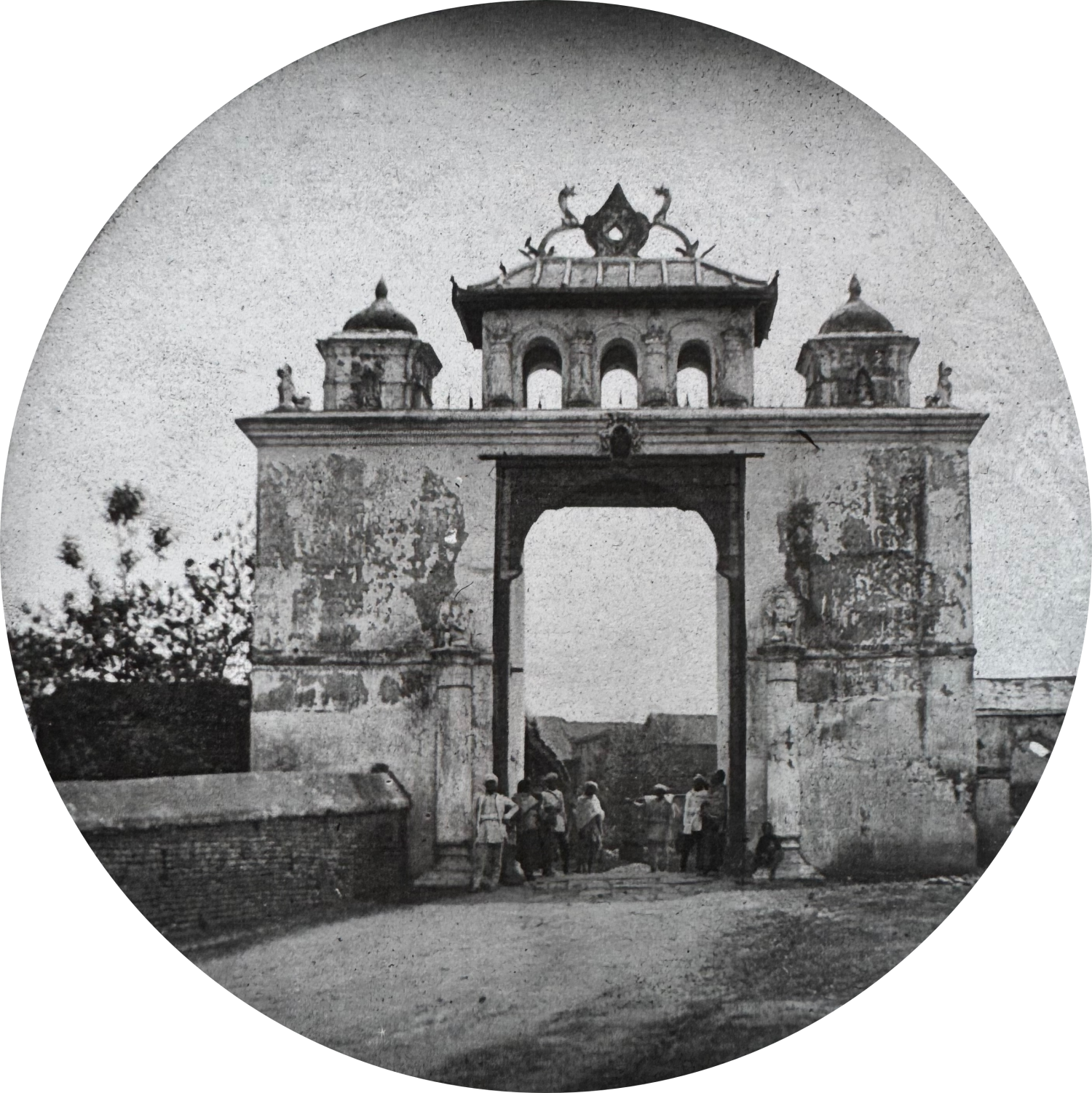 Photo credit: Nepali Times
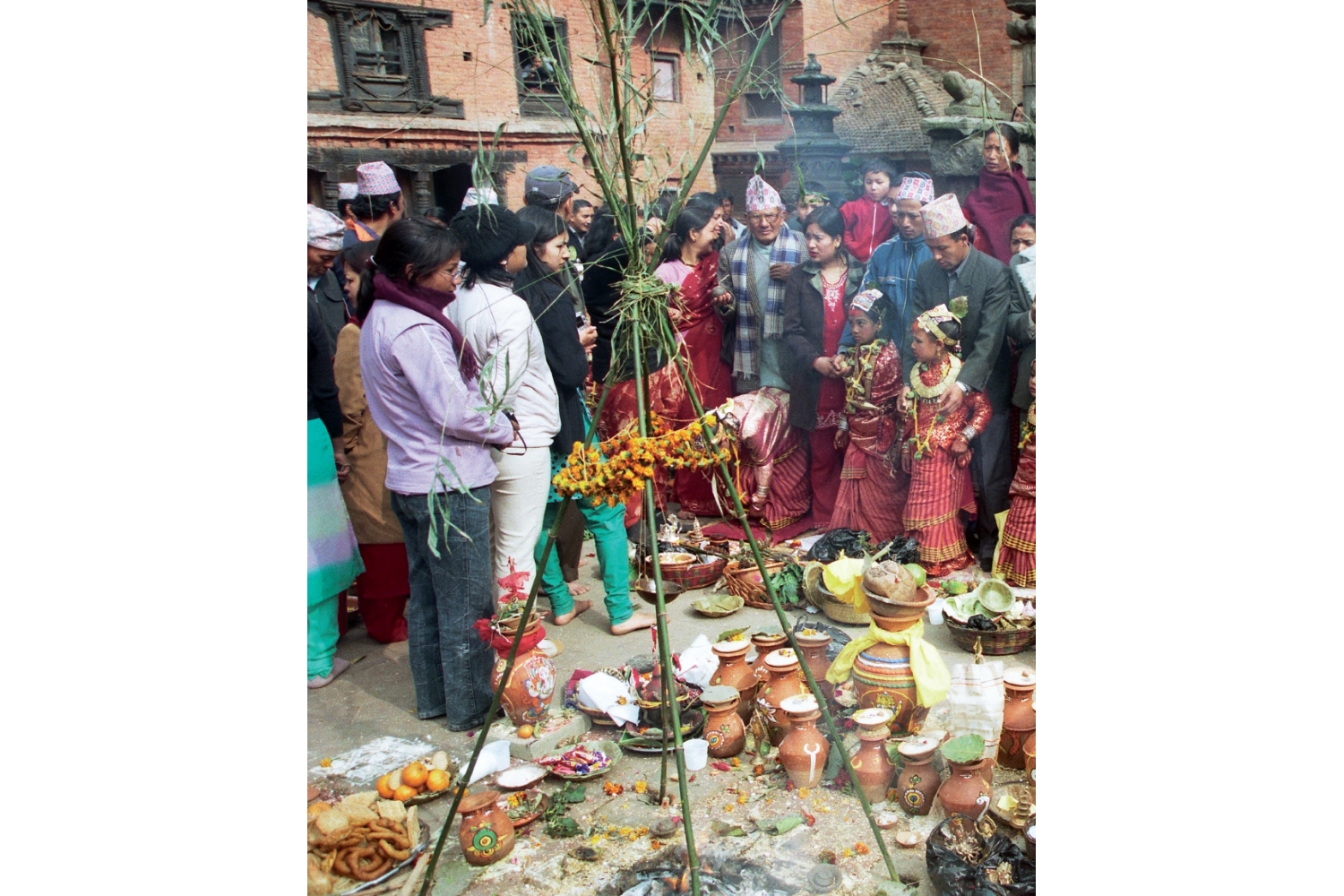
Photographs of ordinary people tended to be either because some of were also researchers, or out of curiosity for exotica.





Comments
0 commentsNo comments yet — be the first.