

Summary
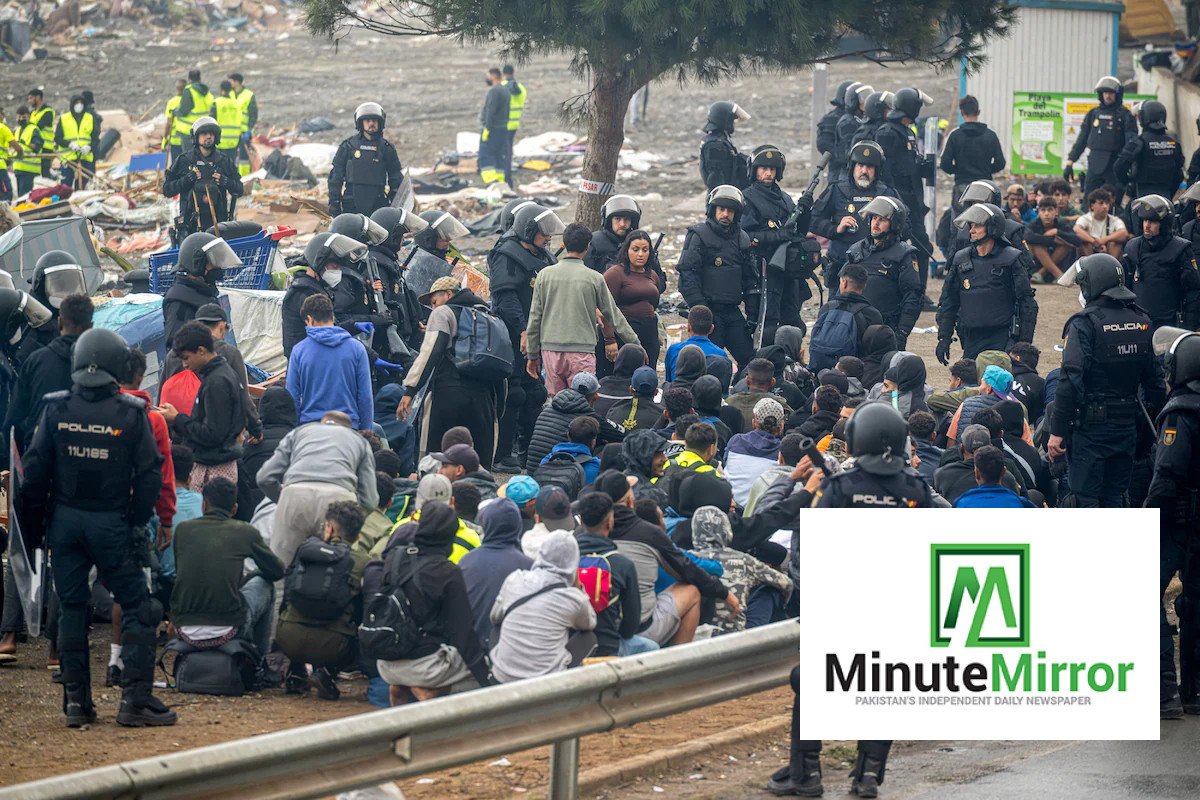
- CEUTA, Spain: Spain’s struggle to process thousands of migrants who crossed into its North African enclave of Ceuta has raised serious concerns about asylum rights, alleged forced returns and the treatment of vulnerable families, as pressure mounts on Prime Minister Pedro Sanchez’s government to resolve the crisis.
- According to a Reuters investigation published on October 19, interviews with migrants, lawyers, charities and security personnel have highlighted concerns that Spain’s efforts to speed up case processing could leave people with legitimate protection claims at risk of deportation.
- As the political pressure grows, Spain faces a difficult challenge: managing an overwhelmed border system while ensuring that people with legitimate asylum claims receive fair assessments and appropriate protection.
AI Generated Summary
CEUTA, Spain: Spain’s struggle to process thousands of migrants who crossed into its North African enclave of Ceuta has raised serious concerns about asylum rights, alleged forced returns and the treatment of vulnerable families, as pressure mounts on Prime Minister Pedro Sanchez’s government to resolve the crisis.
Nearly three months after a mass border crossing on July 30, thousands of people remain scattered across the small port city bordering Morocco. Some are sleeping outdoors, hiding in surrounding hills or relying on charities for shelter while waiting for decisions on their immigration and asylum cases.
The crisis has placed Sanchez’s left-wing government under growing pressure from the European Union and domestic political opponents, with the country preparing for a snap election on November 29.
According to a Reuters investigation published on October 19, interviews with migrants, lawyers, charities and security personnel have highlighted concerns that Spain’s efforts to speed up case processing could leave people with legitimate protection claims at risk of deportation.






Comments
0 commentsNo comments yet — be the first.