

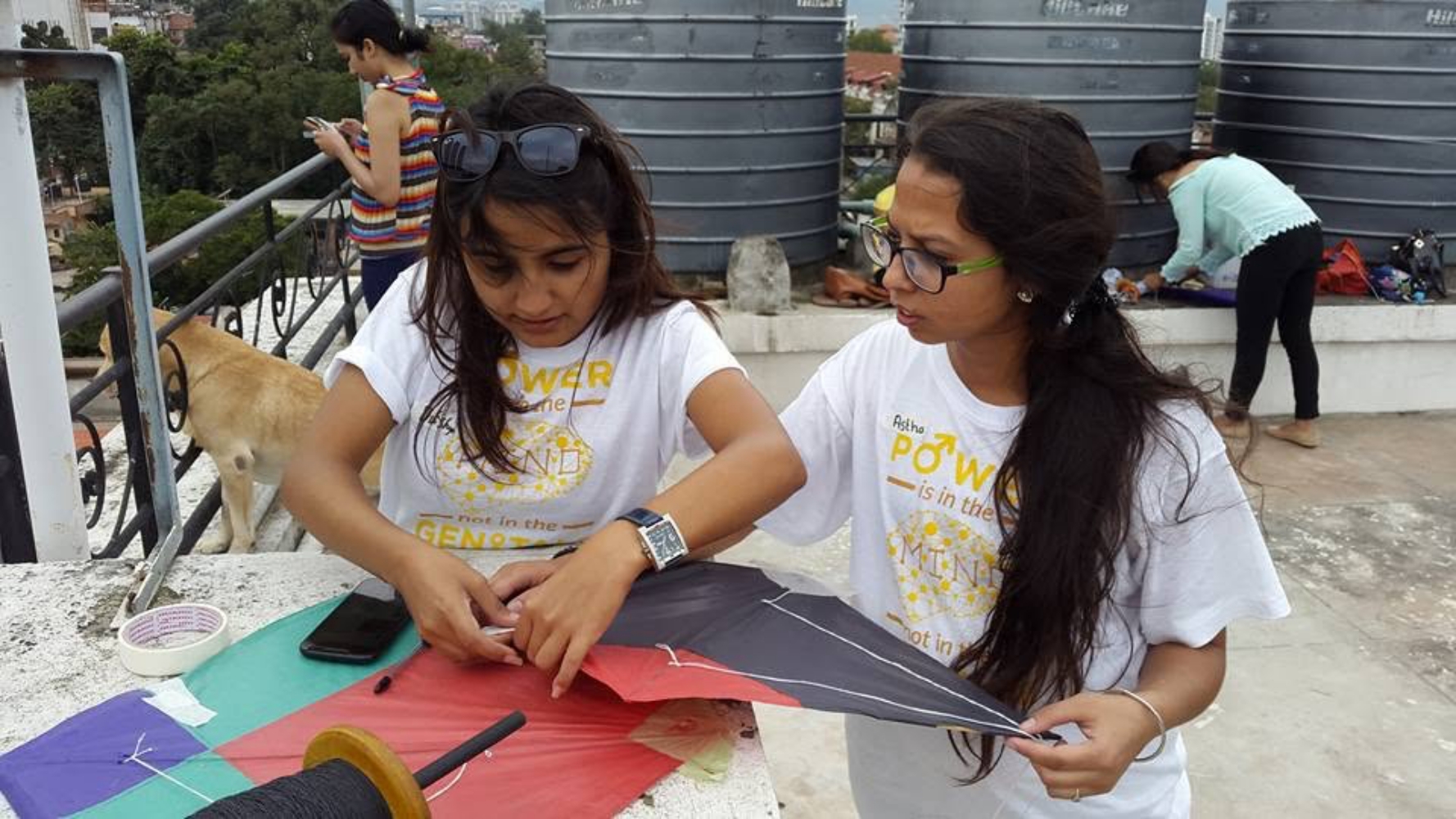
With Dasain right around the corner, we are already hearing cries of “Chet!” from rooftops as swooping kite fights engage in full-scale war over Kathmandu’s skies.
Until recently, interest in kite flying among youth was declining as they spent more time on screens. It took the Covid-19 lockdown with social distancing for kites to soar again. This year, kites have taken to the skies even earlier, taking advantage of fresh afternoon breezes.
“Parents may not yet imagine that one day their children may ask, ‘What is a kite?’” says Nirmal Man Tuladhar, an academic and a kite aficionado.
Tuladhar lists four social beliefs that uphold Nepal’s kite-flying culture: kite-flying sends a message to Indra, the god of rain, requesting him to turn the monsoon off as the rice fields have enough water. Kites bring prosperity to the family, it is a symbolic way of reaching and honouring dead ancestors, and it guides recently released souls to heaven.
“I don’t think kite flying as a culture is disappearing in Nepal. People will always return to it,” says Priya Joshi, who began hosting annual kite-fighting get-togethers exclusively for women.
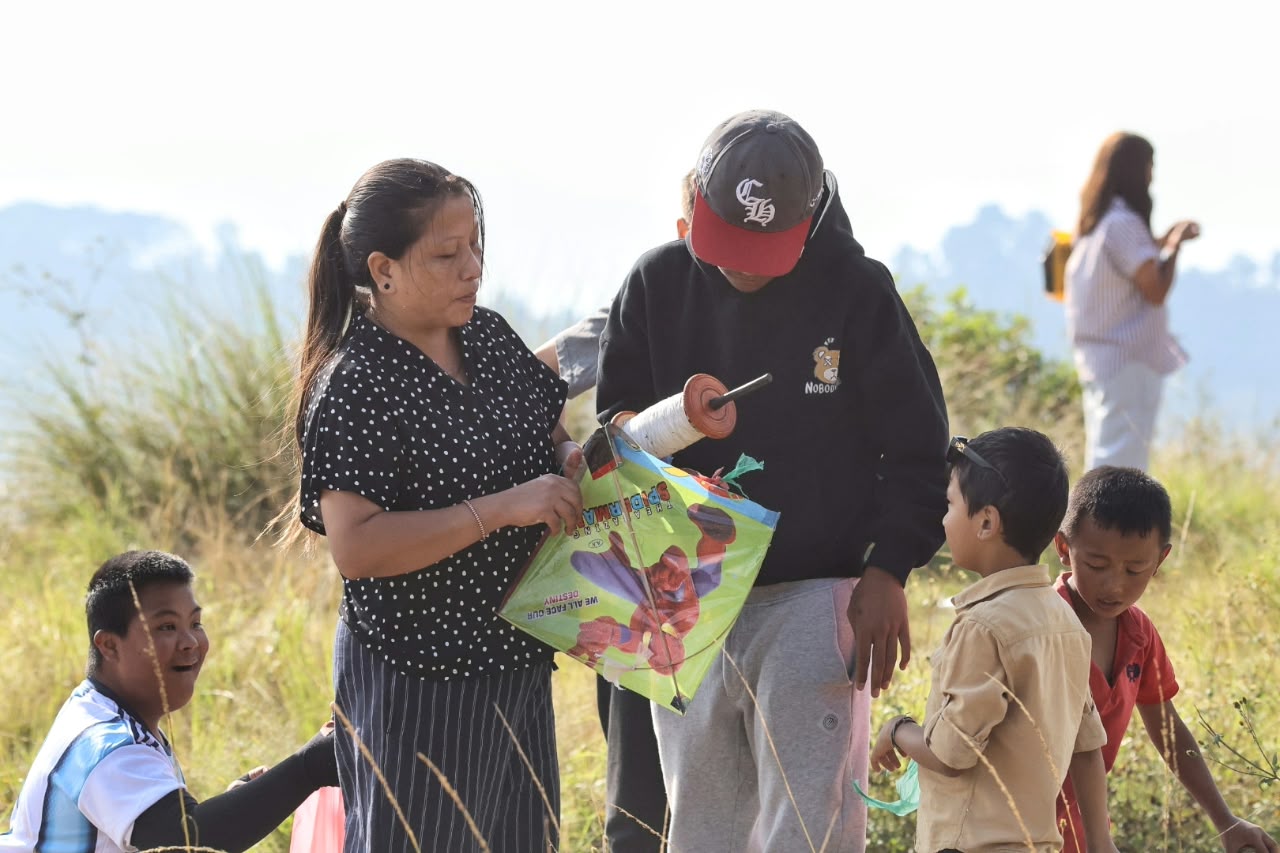
Maker Keti’s All Girls Changa Party has been happening annually for ten years and is taking place this year too on 17 October.
“Social media has really helped bring people who share the same love for kite-fighting together. It is very important for the older generation to pass along the culture to younger ones,” she adds.
Joshi notes that the number of women who fly kites is still low since young girls aren’t encouraged to take it up as boys are. Many girls simply watch their brothers and fathers enjoy kite flying even if they want to be a part of it.




Comments
0 commentsNo comments yet — be the first.