


Temples, lakes, forests, wildlife and indigenous traditions make Sudurpashchim a destination for travelers seeking nature, culture and history during the Dashain break
Ugratara Temple in Amargadhi, Dadeldhura. Photo credit: Kulraj Chaudhary
SUDURPASCHIM: Planning to travel during the long Dashain holiday? For those wishing to experience natural beauty, religious faith, indigenous culture, and historical heritage, Sudurpashchim can be a suitable destination.
Sudurpashchim is not only geographically distant, but it is equally beautiful in its natural and cultural diversity. Encompassing the Terai, hills, and mountains, this province has numerous places for sightseeing. Its mountains, green highlands, lakes, forests, wildlife, temples, historical palaces, and indigenous settlements attract tourists.
Being a confluence of various ethnic groups, languages, and cultures, traveling through Sudurpashchim allows you to enjoy nature while also becoming familiar with local lifestyles and traditions. From the art, culture, and cuisine of the Tharu community in the Terai to the lifestyle of the hilly and Himalayan regions, this place has a distinct identity.
The Tharu community is one of those that considers nature as the center of faith. Their collective religious and cultural site, Deuthnwa, is connected to the social life of the village. The festivals, rituals, song and dance, and traditional cuisine here give tourists an opportunity to understand local culture.

Bhada Homestay. Photo: Unnati Chaudhary
Upon reaching the hilly and Himalayan regions, folk songs, folk dances, Dhami traditions, indigenous attire, and the lifestyle of the local community can be experienced closely. The unique traditions and natural scenery of the Himalayan region have made the tourism of this area even more attractive. For those planning to visit Sudurpashchim during the Dashain holiday, here are some of its major destinations.
Khaptad: Green highlands and quiet environment
Filled with biodiversity and natural beauty, Khaptad is a major tourist destination in Sudurpashchim. Spanning the confluence area of Doti, Achham, Bajura, and Bajhang districts, Khaptad’s vast grassy fields, forests, bogs, and religious sites attract tourists. The green highlands spreading all around in Khaptad, scenes of grazing horses, Triveni Dham, and Khaptad Lake are the major attractions here. Walking up and down the hills through forests and highland paths provides an opportunity to get close to nature.
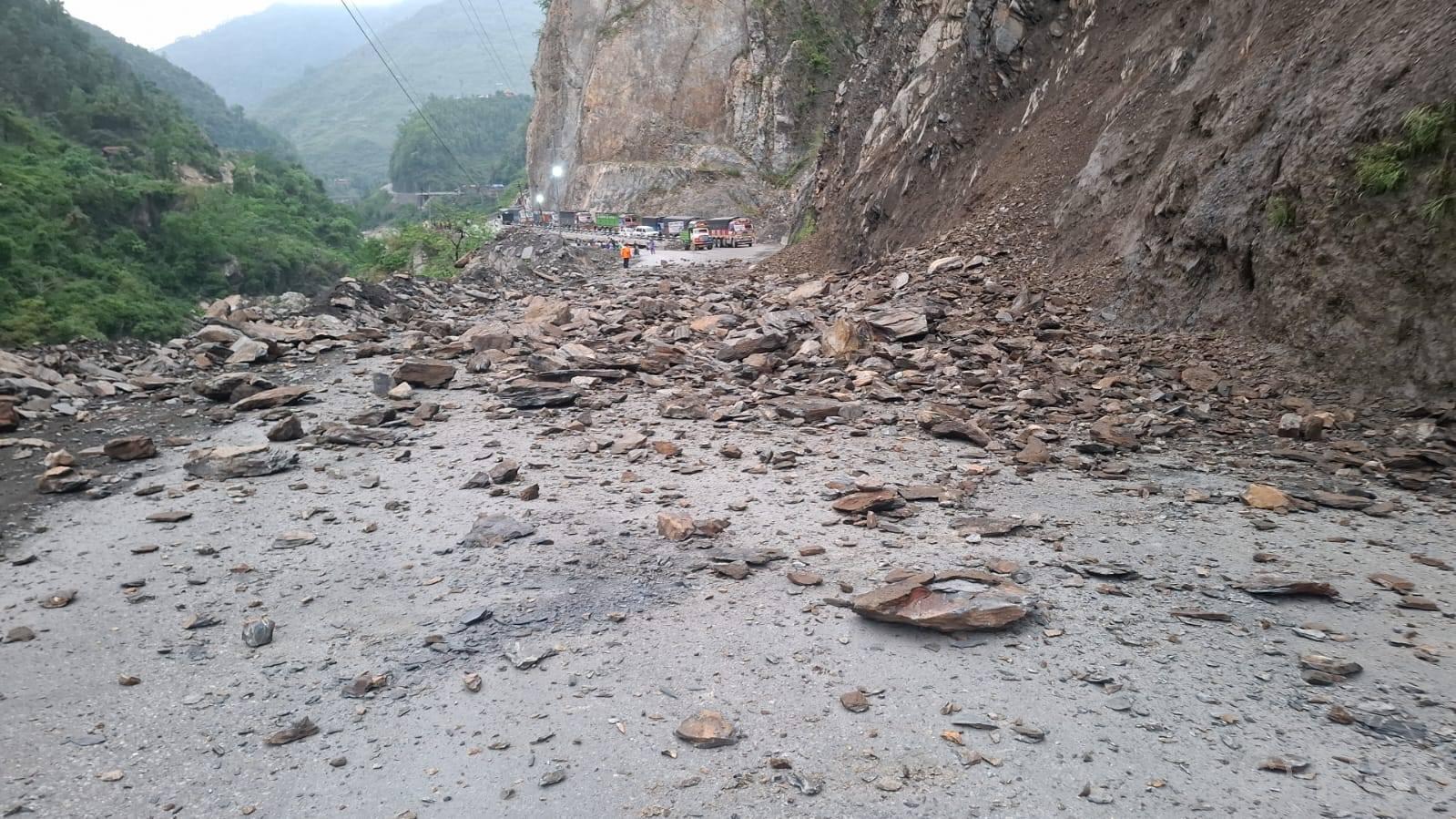
Khaptad can be reached via walking trails from Jhigrana in Doti, Sanfebegar and Chaukhutte in Achham, Tamel in Bajhang, and Kanda in Bajura. These places can be reached from Dhangadhi by public or private vehicles. It is good to choose a suitable route depending on travel time and road conditions.
Khaptad is not only naturally important but also from a religious and historical perspective. Triveni Dham, Khapar Lake, Sahasralinga, Dapkekot, Khaptad Baba’s Ashram, Kedar Dhunga, Nag Dhunga, and the Ganesh idol are the attractions here. Khaptad is also known as an area with 22 highlands and 52 hillocks and lakes.

Khaptad area. Photo credit: Dipak Khadka
Mountain ranges including the Api and Saipal can be viewed from Khaptad. Khaptad National Park is also important from the perspective of biodiversity. Various species of vegetation, herbs, flowers, and birds are found here. Khaptad Baba’s Ashram, who spent a long time in the sacred land of Khaptad, is also a special attraction here. For those wishing to enjoy a quiet environment, open highlands, and natural beauty, Khaptad can be a suitable destination.
Api and Saipal: Enjoying nature in the lap of the Himalayas
Among the Himalayan destinations of Sudurpashchim, the Api and Saipal mountains hold special significance. Api Mountain, located in Darchula, is the major natural attraction of this area. Standing at an altitude of 7,132 meters above sea level, Api Mountain is an important Himalayan peak in the western Himalayan region of Nepal.
The journey up to the base camp of Api Mountain can be a special experience for those who want to understand natural scenery, Himalayan geography, and the local lifestyle. Lakes, wide meadows, and Himalayan vegetation located in the lap of the mountains have made this area even more attractive. In the Api Mountain region, there are Himalayan peaks such as Nampa, Kapuchuli, Kayakor, Babai, Jethi Baurani, and Lhyul. The colors seen on the mountains during sunrise in the morning and sunset in the evening make the natural beauty here even more enchanting.
The Api region is also important from the perspective of biodiversity. Wildlife such as snow leopards, red pandas, deer, goral, thar, and bears are found here. Birds like danphe (Lophophorus impejanus) and munal (Tragopan satyra), as well as various species of vegetation and herbs, are also heritages of this area. During the rainy season, yarsagumba (Ophiocordyceps sinensis) is collected in the high Himalayan region. Herbs such as panchaule, allo, ban lasun, jatamansi, shilajit, padamchal, satuwa, and katuki are also found here.

Api and Saipal. Photo credit: Basant Pratap Singh
In the local settlements of the Api region, cultivation of native crops, apples, walnuts, potatoes, and beans can also be seen. For tourists wanting to understand Himalayan nature, local products, and the indigenous lifestyle, this region is an attractive destination. However, advance preparation regarding weather, roads, altitude, and necessary permits must be made for high Himalayan travel.
Badimalika: Vast highlands and religious faith
Located in Bajura district, Badimalika is known for its natural beauty and religious faith. Situated at an altitude of about 4,219 meters above sea level, Badimalika’s main attractions are its vast meadows, surrounding mountains, and open terrain.
The road leading to Badimalika Temple is difficult, so the journey here is not easy. However, the green fields, hilly geography, and Himalayan views seen during the trek make the journey unforgettable. It is appropriate to start the journey after gathering information about road and weather conditions.





Comments
0 commentsNo comments yet — be the first.