

Summary
- Now, Chinese producers are turning to overseas markets, using lower prices and expanding production capacity to challenge established food exporters worldwide.
- According to the Organisation for Economic Co-operation and Development, subsidies accounted for about 13 per cent of Chinese agricultural producers’ gross farm receipts between 2022 and 2024, nearly three times the level recorded in the early 2000s.
- Chinese chicken breast and leg-quarter products are reportedly 10 to 20 per cent cheaper than Brazilian alternatives, making them attractive to buyers in price-sensitive markets.
AI Generated Summary
TENGZHOU, China: China’s push to strengthen food security has produced an unexpected consequence: a growing surplus of meat and dairy products that domestic consumers cannot absorb. Now, Chinese producers are turning to overseas markets, using lower prices and expanding production capacity to challenge established food exporters worldwide.
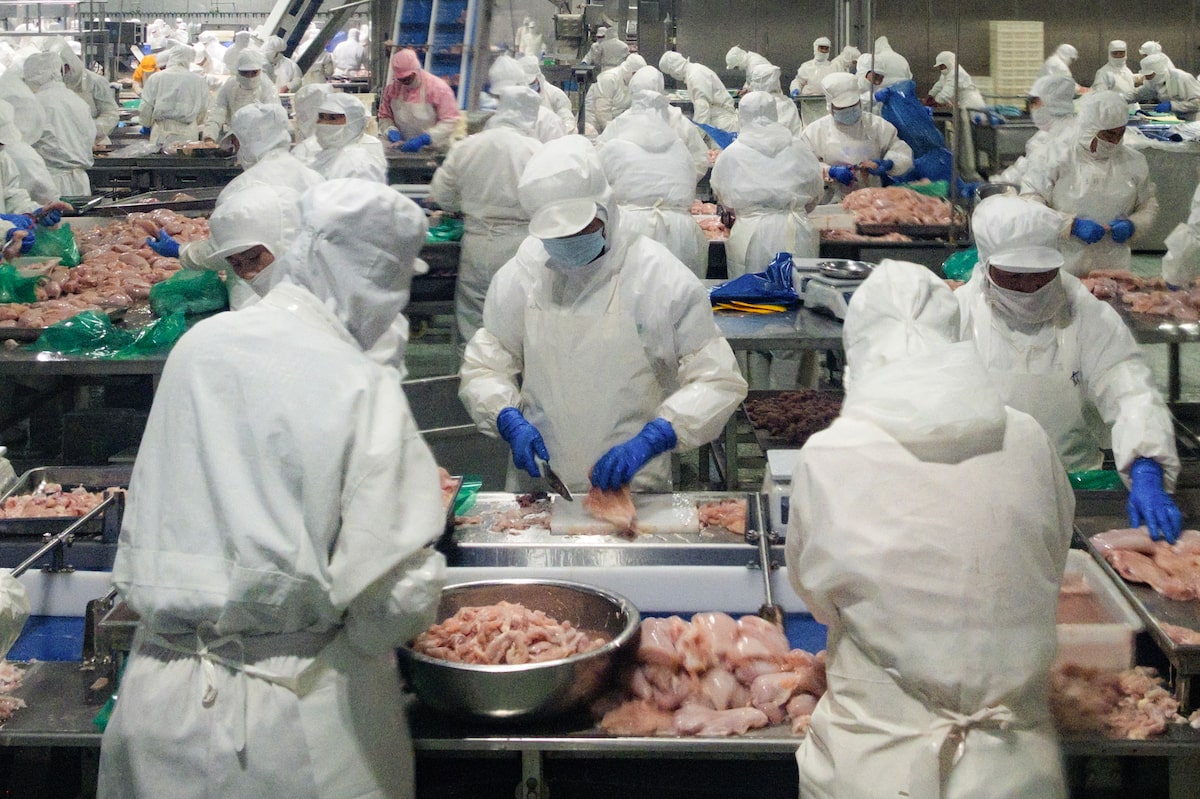
At Wintop Food Group’s poultry-processing factory in Tengzhou, Shandong province, international demand is helping finance the company’s expansion. The business processes around 60 million chickens annually, supplying products such as chicken breasts, nuggets, meatballs and dumplings to more than 20 countries.
Exports accounted for half of Wintop’s profits last year, according to general manager Dang Yangyang, who said international buyers were increasingly attracted by the company’s competitive prices.
“When the meat is $1,000 cheaper per ton than Brazilian and Thai competitors, they have to either buy from China or lose out,” Dang told Reuters.

China’s expanding protein industry is benefiting from investments in technology, larger production facilities and government support aimed at strengthening domestic food supplies. But changing eating habits, slowing economic growth and excess production have left companies searching for customers beyond their home market.
The shift is creating new opportunities for consumers seeking affordable food while raising concerns among competing producers and trade regulators.
Changing diets create a surplus
For decades, pork dominated China’s meat consumption. However, changing preferences among urban consumers are reshaping the market.








Comments
0 commentsNo comments yet — be the first.