


Summary
- Afghanistan’s ban on opium poppy cultivation is coming under increasing pressure as falling farm incomes, drought and worsening food insecurity push farmers towards the crop they once relied on for their livelihoods.
- UNODC representatives say farmers have not received sufficient support from either the Taliban administration or the international community to replace their lost poppy income.
- Some farmers say they would continue avoiding poppy cultivation if their living conditions improved.
AI Generated Summary
Afghanistan’s ban on opium poppy cultivation is coming under increasing pressure as falling farm incomes, drought and worsening food insecurity push farmers towards the crop they once relied on for their livelihoods. Poppy cultivation has rebounded sharply this year, raising concerns about the future of the Taliban’s anti-drug campaign and the potential impact on global narcotics markets.
According to a report by the United Nations Office on Drugs and Crime (UNODC), poppy cultivation in Afghanistan more than quadrupled in 2026 compared with the previous year, reaching an estimated 43,300 hectares. Although the area remains far below the 177,000 hectares cultivated in 2021, the latest increase signals growing difficulties in sustaining the ban imposed by the Taliban in 2022.
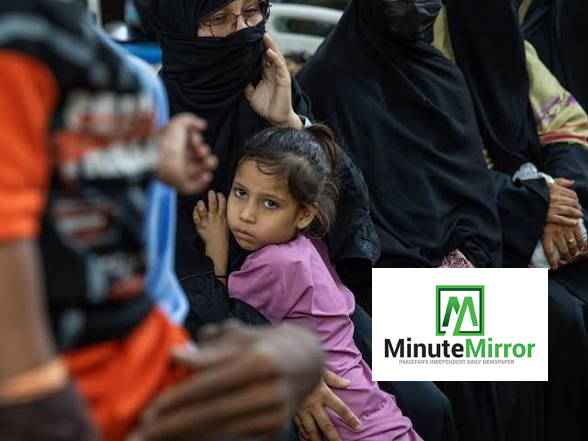
Many farmers say alternative crops such as wheat and cotton are failing to provide enough income to support their families. Mohammad Dawood, a farmer in Balkh province, said his household had been much better off when he cultivated poppies. He now grows legal crops but says the income is insufficient to meet his family’s basic needs, and his children are suffering from malnutrition.






Comments
0 commentsNo comments yet — be the first.