

Finance Minister Swarnim Wagle’s recent remark in Delhi that “the era of linking Nepali nationalism with anti-India sentiment is over” has triggered a storm back home in Nepal. I wish he had refrained from making the remark in that setting.
However, I personally believe that the controversy is less about the substance of his statement than about its venue and timing. In fact, it is merely a storm in a teacup! The uproar back home has prompted me to raise a serious analytical question: When does nationalism protect national interests, and when does it become merely a political performative exercise?
Conceptul framework
In modern political discourse, hollow or performative nationalism refers to a political strategy in which nationalist gestures are deployed primarily to secure domestic legitimacy rather than to achieve concrete external outcomes.
American political scientist Paul R. Brass, in his book Ethnicity and Nationalism (1991), and British historian John Breuilly, in Nationalism and the State (1993), provide conceptual frameworks for understanding nationalism and its distinction from purely symbolic political mobilisation.
Three characteristics are generally associated with performative nationalism:
(a) Domestic timing: It tends to intensify during periods of governance crises or declining political legitimacy.
(b) Symbolic actions: Speeches, maps, effigies and public declarations take precedence over the preparation of comprehensive dossiers, properly maintained records and substantive diplomatic initiatives.
(c) Absence of follow-through: Political declarations are rarely translated into sustained institutional, diplomatic or policy action.
Historical correction: Where it did not begin
It is analytically inaccurate to locate hollow anti-Indian nationalism in King Mahendra’s period. Mahendra’s foreign policy was based on balancing and diversification, rather than India-bashing.
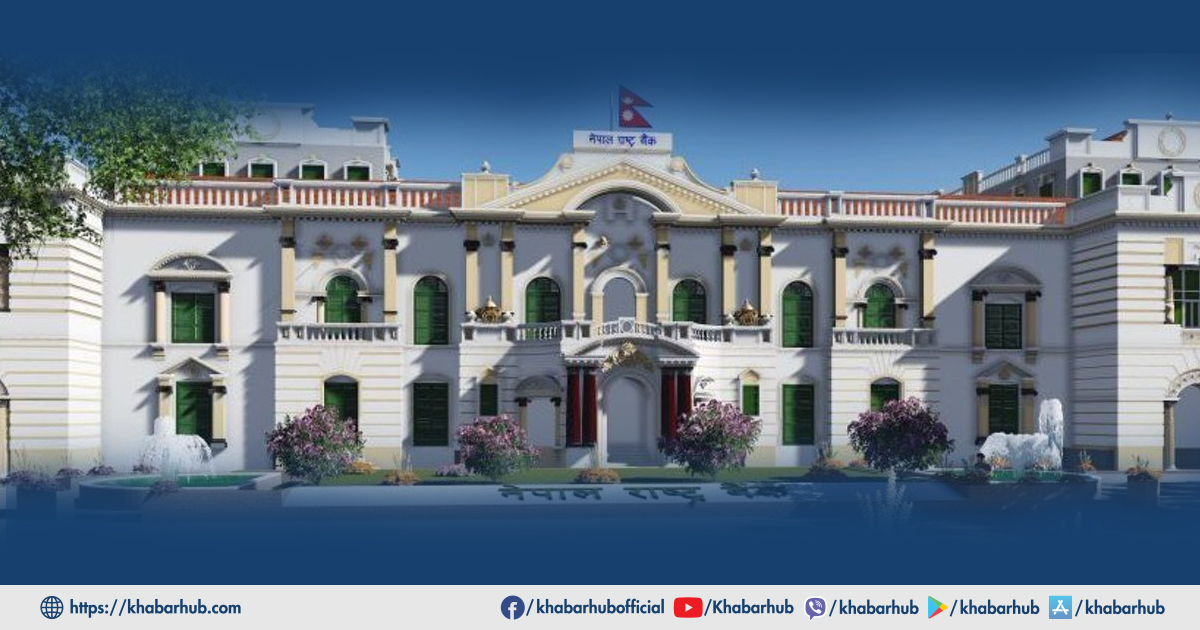
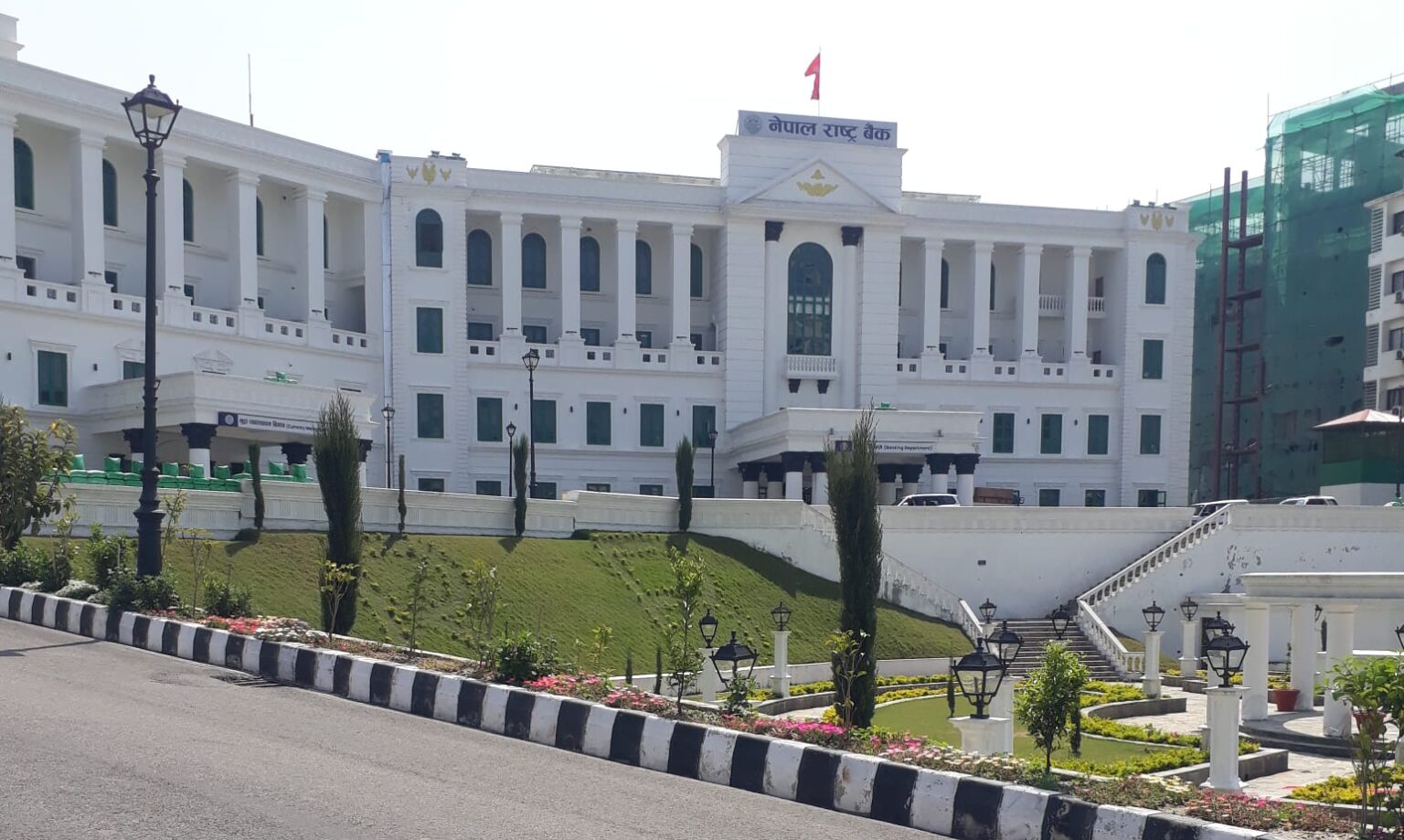
Between 1960 and 1971, he pursued a classic small-state strategy of diversifying Nepal’s external relationships and economic partnerships. This included the construction of the East-West Highway with diversified foreign assistance and the establishment of institutions such as Nepal Rastra Bank, Rastriya Banijya Bank, Nepal Industrial Development Corporation, Sajha Yatayat and Salt Trading Corporation.
The development of import-substituting industries, including Birgunj Sugar Factory, Janakpur Cigarette Factory and Bansbari Leather and Shoe Factory, along with the establishment of the Balaju Industrial Estate, formed part of this broader strategy. Land reform (1964), nationalisation of forests, and the expansion of hospitals and educational institutions were also components of a deliberate effort to strengthen economic self-reliance.
His famous metaphor of Nepal as a “yam between two boulders” was essentially a structural description of the country’s geopolitical vulnerability, not a nationalist mobilisation slogan.
The performative turn began later
The performative turn began around 1979, when the Panchayat system’s legitimacy started eroding following the referendum. A section of hardline Panchas, lacking a convincing development agenda, increasingly instrumentalised anti-Indian rhetoric for political survival.





Comments
0 commentsNo comments yet — be the first.