
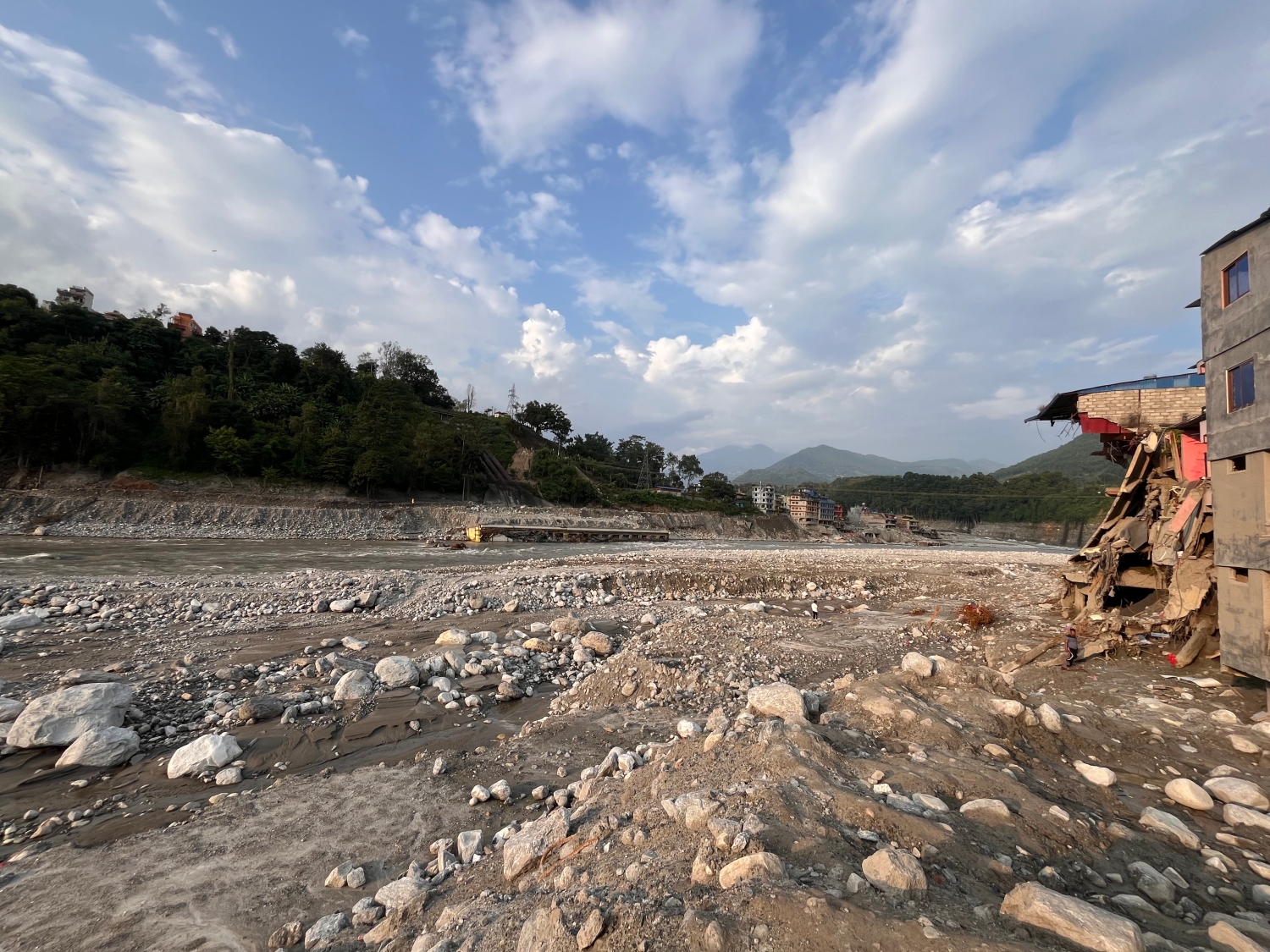
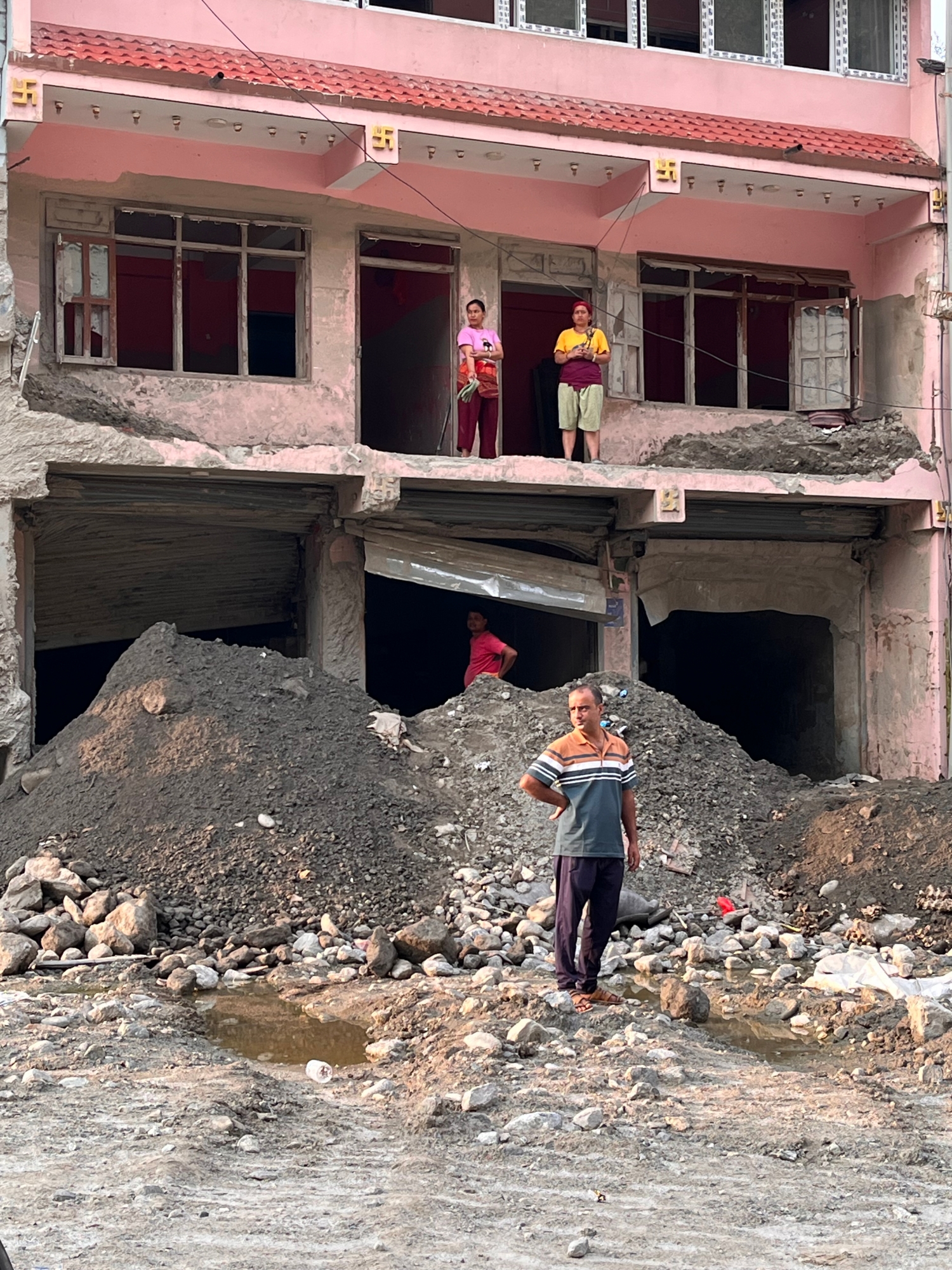
My father, Baa, stood on the debris field of what used to be Trisuli Bazar in Nuwakot. The expanse of the mud, bouldersand grey silt spread all the way down to the river, which had shrunk to its regular autumn flow.
I put my arms around Baa to comfort him. “Everything is gone,” he sighed. There was a catch in his voice.
On 26 August, the river had surged over the town, swallowing everything in its path, making it one of the worst days in recent times. It wiped out several towns and villages, killing over 1,457 people, while nearly 5,500 people remain unaccounted for.
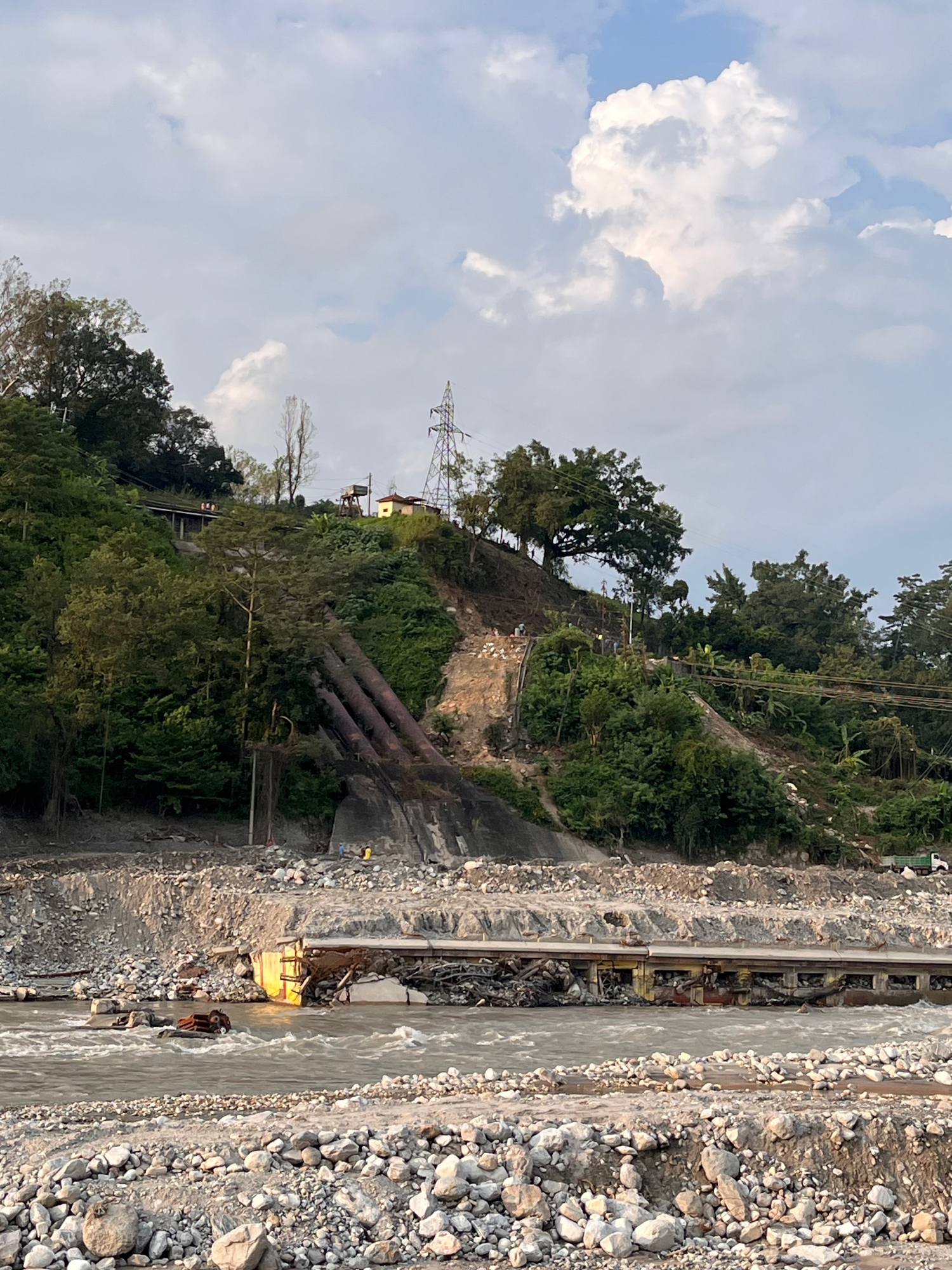
My grandfather worked for three decades at the Trisuli hydropower station, the first large electricity project in Nepal. Its three storey powerhouse is now buried under sediment, and the river is flowing 30m above its former bed.
During a visit in March, Baa had walked through Trisuli Bazar, entering shops, greeting passersby, shaking hands with past schoolmates, childhood friends and acquaintances. He was visiting after over five decades since finishing high school there.
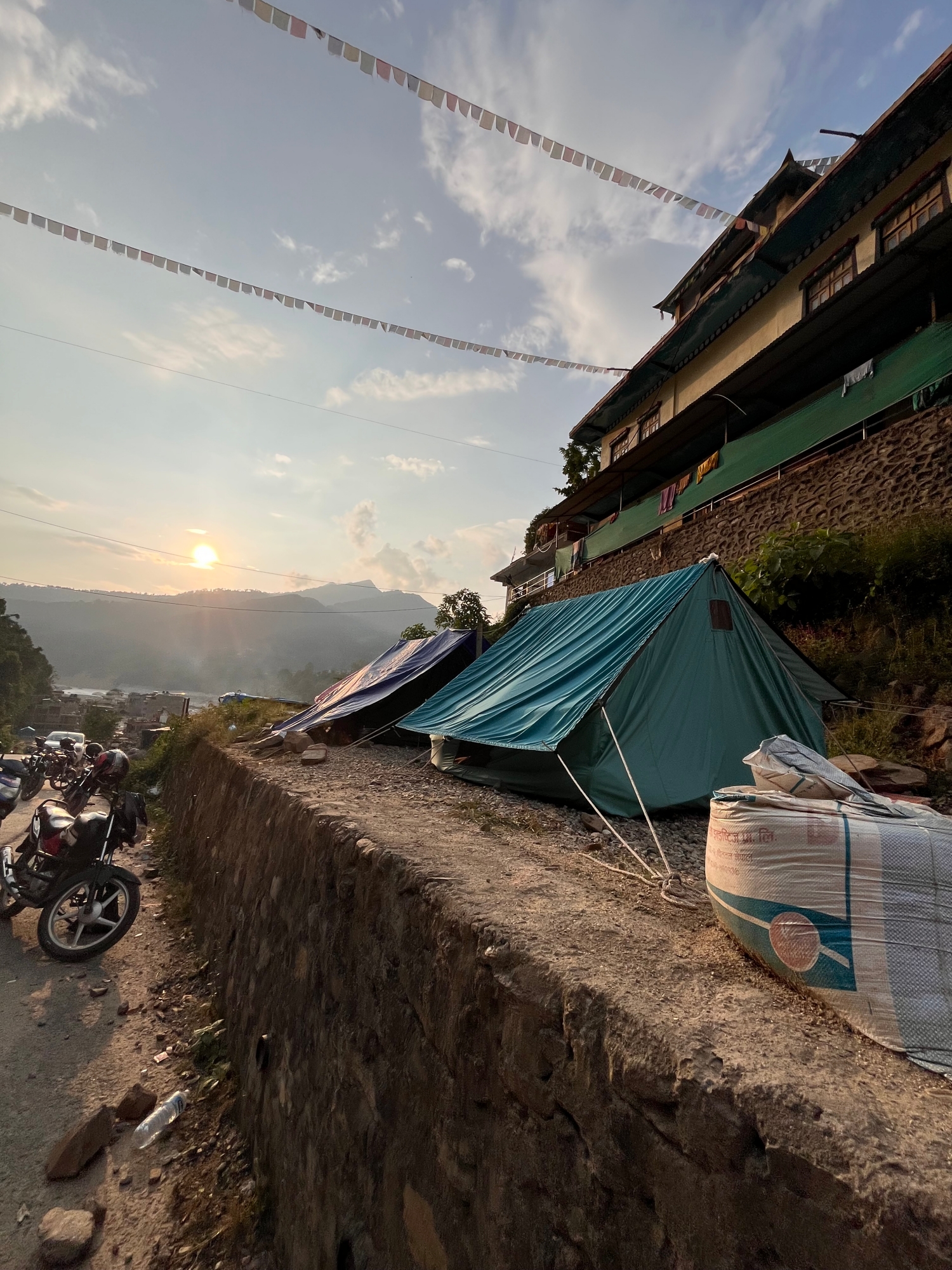 Photo credit: Nepali Times
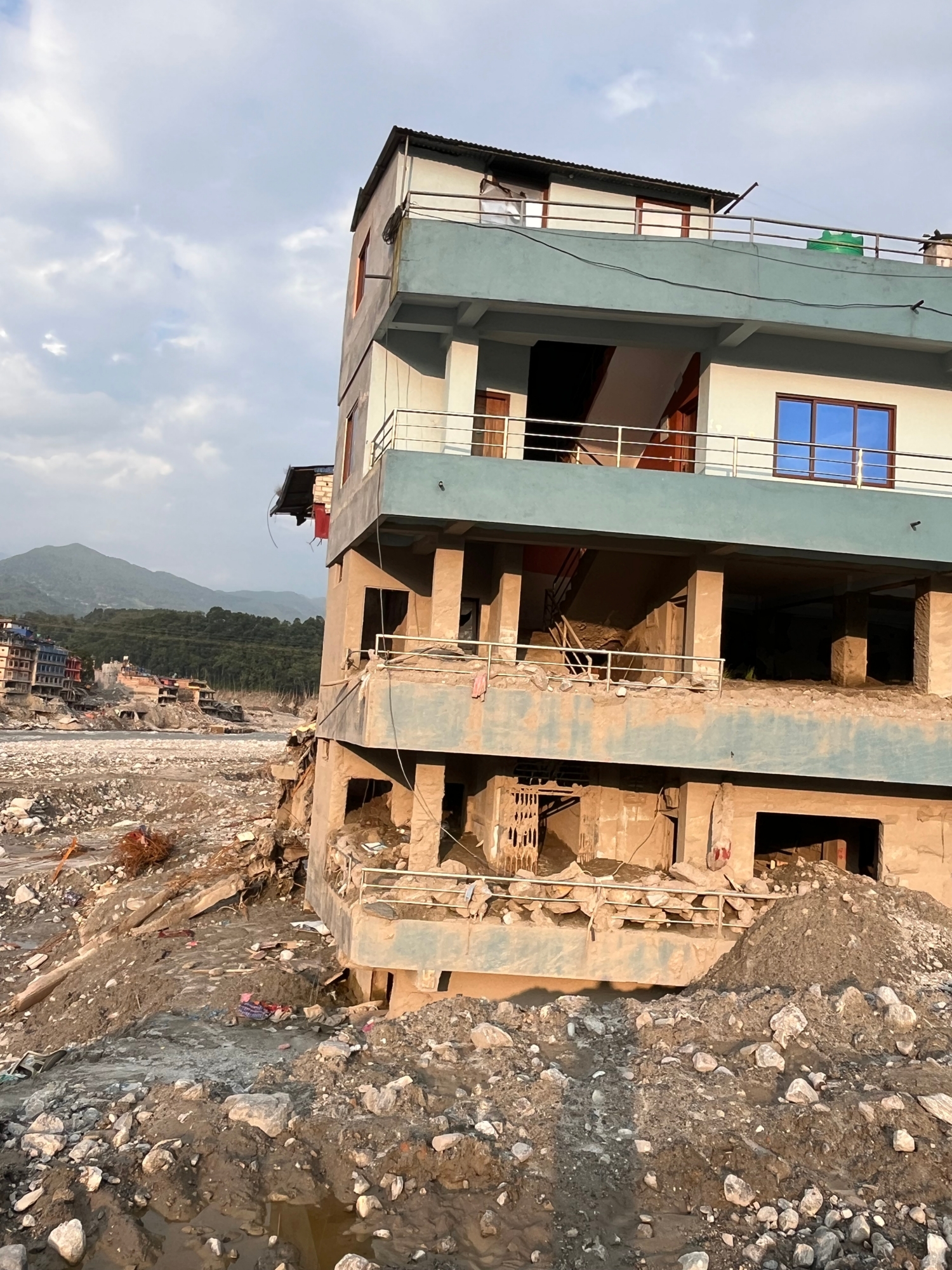 Photo credit: Nepali Times
But standing there recently it felt like Baa had suddenly aged by a decade. His shoulders were slumped and there was a deep emptiness over his face. As we walked through the lost town, we saw families clearing the rubble from homes. Tired of living in tents, they were hoping to make it liveable for now.




Comments
0 commentspsst, say something nice 💬